(DRAFT) Pre-doc Preparatory Program (P3) in Translational Research
Are you a research professional looking to strengthen your foundation in clinical and translational research while preparing for medical or graduate school?
The Pre-Doc Preparatory Program in Translational Research (P3) offers a 7-month educational experience designed to formalize training for research coordinators, genetic counseling assistants, research technicians, and other professionals currently working in rare disease research at our partnering sites. This program is supported by a NIH NICHD R25 award, ensuring a high-quality, structured experience for participants. This program is ideal for early-career research professionals seeking to develop their skills, remain engaged in research, and prepare for the next step in their academic journey.
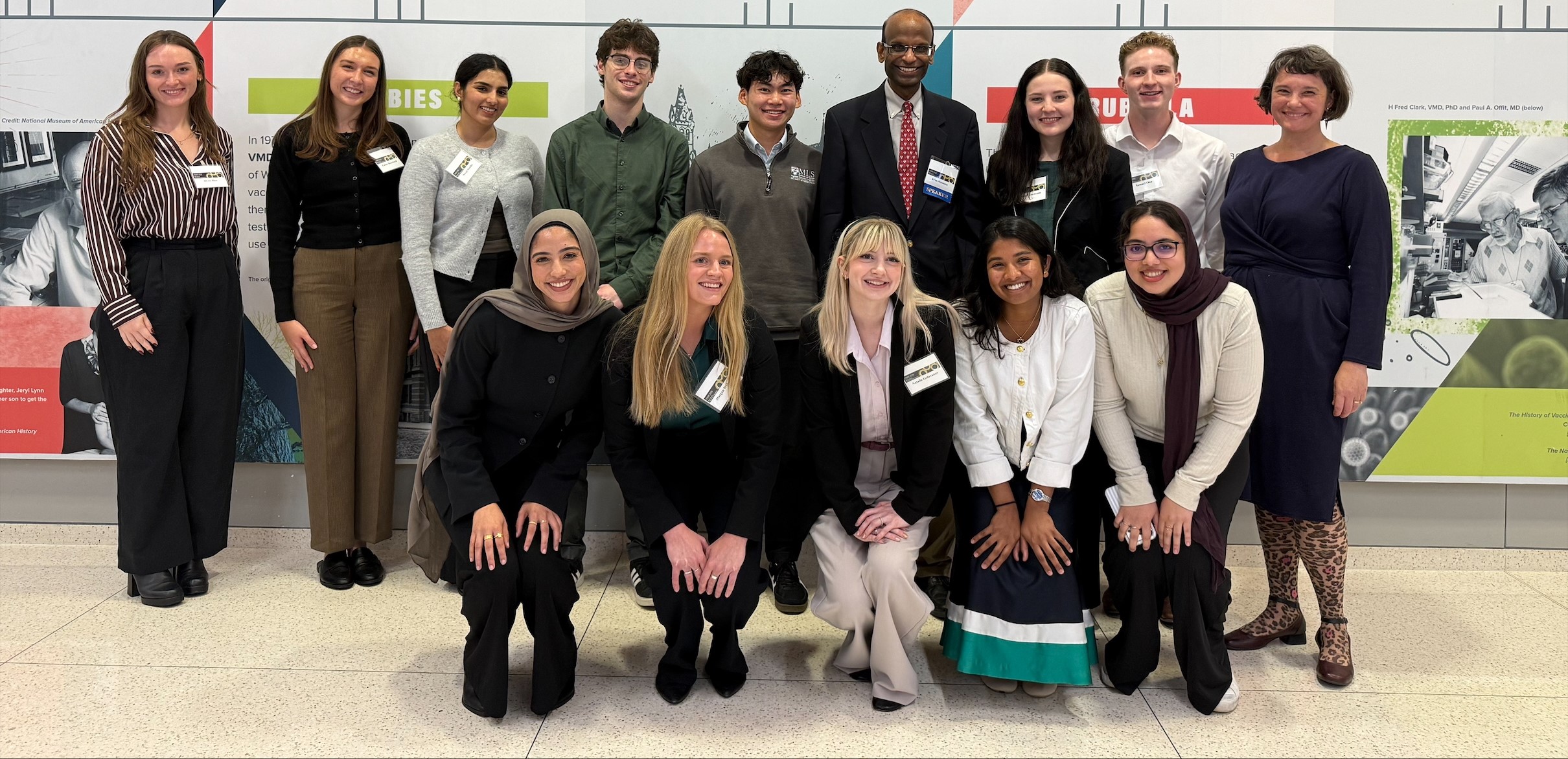
P3 introduces scholars to the practical aspects of translational research for rare diseases, including clinical study design, ethical considerations, data management, and the pre-clinical drug development process. Alongside this core curriculum, scholars build professional skills through communication workshops, workplace coaching, and advocacy engagement, while learning to present research and explore career pathways through interactive sessions. This is a virtual learning experience with the option to attend up to two scientific meetings as a cohort.
Whether you’re planning for medical or graduate school, P3 offers a supportive environment where you can deepen your understanding of translational research and position yourself for success as a future leader in translational science.
Program Highlights:
- No cost to participate
- Structured curriculum
- Professional development workshops
- Career exploration
- Travel stipends for up to 2 scientific meetings (provided through the NIH R25 award)
Applications open May 2026 and close July 2026 for October 2026.
Alumni Spotlight
"Through the P3 program I was able to gain extremely valuable skills in communicating with patients, research participants, colleagues, and physicians. I use these skills on a daily basis in my role. I believe the P3 program has been vital to my ability to provide our research participants with a welcoming, empathic, and patient-centric experience during their clinical trials and biorepository visits." - Kaleb Kelley, Clinical Research Coordinator, Leukodystrophy Center of Excellence, Children's Hospital of Philadelphia
Leadership and Administration
-

Laura Adang, MD, PhD, MSTR
Program Director, Pre-doctoral Program in Translational Research (P3)
More information about Laura Adang, MD, PhD, MSTR
Email
Laura Adang, MD, PhD, MSTR Profile Page
Laura Adang, MD, PhD, MSTR
Program Director, Pre-doctoral Program in Translational Research (P3)
adangl@chop.edu
Laura Adang, MD, PhD, MSTR profile Website
-

Jessica German, MSEd
Sr. Associate Director, ITMAT Education
More information about Jessica German, MSEd
Email

