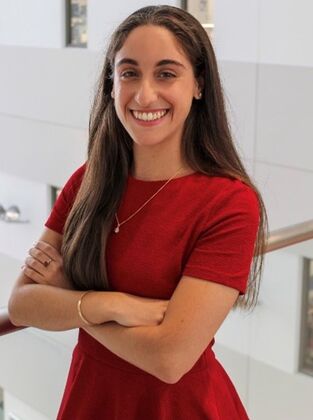
Brianna Pierce
2023-2024 P3 Scholar
Brianna is a PhD student in the Neuroscience Graduate Group at the University of Pennsylvania, where she continues to develop her research interests in the mechanisms underlying rare neurodegenerative disease. With a decade of experience spanning evolutionary and developmental genetics, pediatric brain tumors, and rare disease research, she brings a broad and integrative scientific perspective to her graduate work. Brianna earned her BS in Cell Biology & Molecular Genetics from the University of Maryland before joining the Neurometabolic Disorders Research Lab at Children's National Hospital, where she investigated the molecular mechanisms underlying rare neurometabolic disorders — including Mitochondrial Membrane Protein-Associated Neurodegeneration (MPAN), Leukoencephalopathy with Calcifications and Cysts (LCC), and Methylmalonic acidemia (MMA) — and had the opportunity to mentor an exceptionally talented cohort of young scientists. She hopes to build a career in rare disease research, working closely with family groups, clinicians, and fellow researchers to advance understanding of these disorders and build a better future for those they impact.
Brianna applied to P3 at the recommendation of her mentor, Dr. Jamie Fraser. A pivotal moment came at the 2023 LCC Family & Research Conference, where she connected with families living with rare disease and was deeply moved by their passion and commitment — an experience that inspired her to explore what a meaningful career in rare disease research could truly look like. Through P3, Brianna found peers, mentors, and new possibilities. Conversations with fellow scholars and invited speakers broadened her understanding of the interconnected community of families, clinicians, and researchers working to advance rare disease science. The P3 experience helped shape her vision of a research career built on meaningful connection — one where her work remains grounded in the needs and experiences of patients and caregivers, and continues to contribute to the growing field of rare disease research.