(Draft) Alumni Spotlights
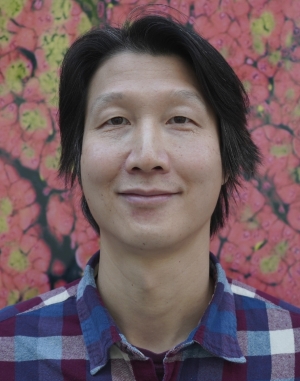
Yin-Ming Ko, MRA 2023
Publication Spotlight: Consideration of the Root Causes in Candidate Attrition During Oncology Drug Development
Current Position: QC Studies Manager, Franklin Biolabs
What attracted you to the MRA program? From a research lab to highly regulated facilities/organizations for drug/biologics production, I felt I needed to boost my knowledge in the area of regulations. After searching, I found the MRA program at UPenn offers what I was looking for. The MRA curriculum gave me comprehensive knowledge and systematic training in regulatory affairs in 2 years. Additionally, online courses can offer lots of flexibility for working professionals who have multiple roles at a time. For example, I was a normal shift employee, a part-time student, and a dad.
What have you enjoyed most about the MRA program? The MRA program offers a solid and comprehensive curriculum for students who want to engage in regulatory affairs activities and to develop a successful career path of medical regulatory affairs. For students who want to learn the fundamentals in specific areas, the MRA program also offers two other concentrations, that is, quality assurance and clinical research. In addition, capstone project is a great opportunity to develop writing rigor, the ability of literature/knowledge searching, and independent thinking. This is essential for advanced career development. We also build connections with instructors, guest lecturers and the cohort in your classes. The networking will be your valuable resources for your professional career.
How did the MRA program helped further your research and career goals? While there were commitments with class participation, class projects and assignments, which are expected from schoolwork, I have learned lots of first-hand knowledge from real world experiences. The instructors and guest lecturers cover all the up-to-date knowledge and experience about drug development and medication applications, including small molecular pharmaceuticals, biologics, vaccines, and medical devices. This knowledge, which I have gained from manufacturing to clinical trials, positively helps me transition from a researcher in a research lab to a QC scientist/manager at highly regulated facilities.

Priya Vaidiswaran
Current Position: Project Manager, Clinical & Translational Research at Fox Chase Cancer Center
What attracted you to the MRA program?
The courses covered under the MRA program are very relevant in today’s rapidly changing clinical research environment and drug development landscape. The program solidified my clinical research fundamentals and helped me grow in my prior role as a clinical research coordinator.
What have you enjoyed most about the MRA program?
Interacting with peers from various backgrounds, the open discussions surrounding hot topics in clinical research and the opportunity to interact with established faculty members are some of the aspects that I enjoyed the most about the MRA program. Being a research professional in a straightforward biorepository study, this program was very valuable as it opened a multitude of different types of protocols and study designs for me to review and understand.
How did the MRA program helped further your research and career goals?
My capstone project which focused on “Privacy in pediatric genomics” played a big role in my promotion to a Program Manager role in an institutional genomic data repository. Ultimately, this degree has made me a better clinical research professional with the ability and confidence to navigate uncertainties that we face in our daily work.

Anna Tust
Current Position: Senior Specialist, Global Labeling Lead at Merck
What attracted you to the MRA program: The MRA program provided me with an opportunity to transition from a bench scientist into a regulatory professional. Similarly to other students, I was working in the lab when I started to learn about the field of regulatory affairs. I knew this program could provide me the foundation to begin a regulatory career.
What you enjoyed most about the MRA program: I loved building connections with leaders in the regulatory field, as well as building connections with classmates. Many of the courses are led by current regulatory professionals, who are able to provide real-world applications of course material.
How the MRA program helped further your research and career goals: The curriculum of the MRA program helped further my career by providing supplemental information to regulatory interactions in the workplace, giving me more confidence in my own work while interacting with regulatory professionals. Also, the connections made during my time in the MRA program led me directly to my next career move!

Tom Furmanak
Current Position: Manager, Translational Science at Allogene Therapeutics
What attracted you to the MRA program: I was drawn to the MRA program because of the flexibility it offered in conjunction with the expertise of the instructors. Additionally, I was interested in learning more about regulatory affairs so that I could better understand the drug development process and help to move novel cell and gene therapies from the bench into the clinical setting.
What you enjoyed most about the MRA program: I really enjoyed the collaborative learning environment that the MRA program offered. The courses and projects were focused on real-world scenarios and working with a team which greatly mimics drug development outside the classroom.
How the MRA program helped further your research and career goals: The knowledge, skills, and connections I made while enrolled in the MRA program have allowed me to move into a more central role in the drug development process. This allowed me to become involved in clinical science, regulatory, and strategy at my current position, greatly expanding my skill set and development.